
How to Search Grundy Criminal Dockets
The Grundy online case search covers both Circuit and General Sessions records. It offers a Criminal filter. Pick the court named on your notice. A full name, the original filing year, or a case reference all work as search terms. Match all terms is on by default, so one extra word can shrink results too far.
With 99GS1-2023-CR-12345, type the whole reference into Party Name/Case Reference. Or enter 12345 as Case Number. Finish the Turnstile check. Then confirm the court and year, and apply the literal results filter only once results load.
- Open the county portal and choose Circuit or General Sessions.
- Keep Criminal selected and clear Civil.
- Enter one strong name, reference, year, or number.
- Check charges, settings, pleas, and disposition entries.
- Ask the Circuit Court Clerk for a certified record when needed.
Grundy Criminal Search Filters
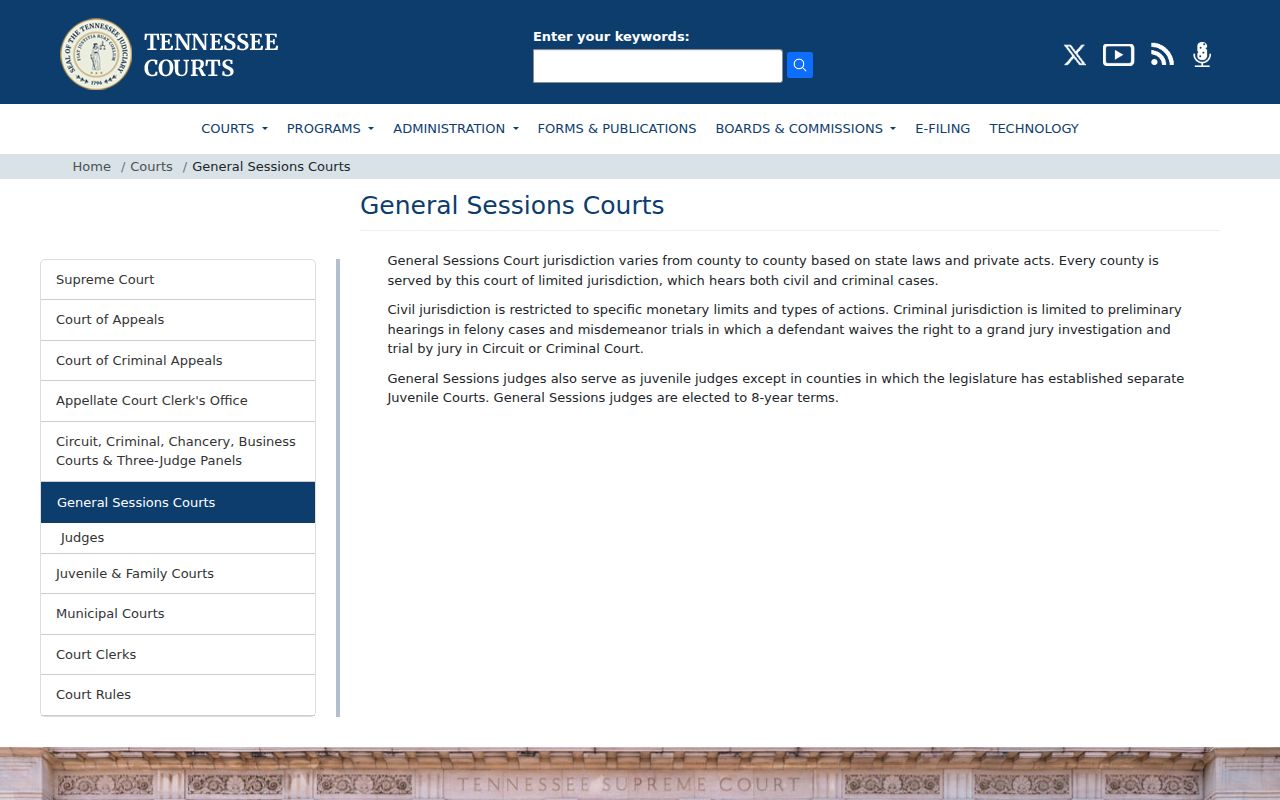
General Sessions often holds the first or limited-jurisdiction record, while Circuit handles felony prosecutions and bound-over matters within its authority. Unsure which court? Search both. A missing Circuit result does not rule out General Sessions, and neither filter reaches Juvenile or municipal cases.
| Choice | Meaning |
|---|---|
| General Sessions | Lower-court criminal stream |
| Circuit | Felony and bound-over stream |
| Criminal | Case-type filter, not a finding of guilt |
For jurisdiction context, the state General Sessions overview explains what each court level handles.
The clerk remains the best source for the status of one Grundy County case. Before concluding a record is absent, run the other court filter too.
What a Grundy Criminal Docket Shows
A criminal docket is an event log, not a verdict summary. Treat each row as a pointer. Use it to find the official file, and ask for the signed order when exact legal wording matters.
| Case number | Identifies the court stream, year, type, and file. |
|---|---|
| Charge | Records an allegation or filed count, not proof. |
| Setting | Names a scheduled event that may later move. |
| Plea | Records a plea event when entered. |
| Disposition | Shows the recorded resolution when complete. |
Grundy Criminal Calendar Terms
The Twelfth District rules separate events that can look alike in a brief docket entry.
- Grand Jury
- Considers whether to return an indictment.
- Boundover
- Relates to a matter moving from lower court to Circuit.
- Discussion Day
- A case-management event, not automatically a trial.
- Plea or assignment
- A plea setting or scheduling point, not always a final result.
- Disposition
- The recorded resolution of the case or charge.
Check the local rules and the current clerk calendar. Holidays, conferences, and judicial direction can shift recurring dates.
Stages on a Grundy Criminal Docket
The usual path runs from filing to arraignment, pretrial, plea or trial, disposition, and sentencing. Motions, continuances, and orders land between those points. A case can also end before trial or move into an appeal.
Docket flow: Charge Filed › Arraignment › Pretrial Settings › Plea or Trial › Disposition
When Grundy Criminal Dates Move
A recurring criminal calendar is only a planning aid. Holidays, a judicial conference, a special setting, or a judge's order can move any date. Discussion Day is easy to misread. Counsel and the prosecutor talk through pending matters, the clerk calls the roll, and required defendants must attend. Does the notice disagree with the portal? Call with the court, case number, and both dates. Missing a court date can bring a warrant and bond action under local procedure. A reset, an empty search, or an old calendar never excuses attendance.
Note: Confirm every near-term Grundy County criminal date with the clerk or counsel.
Which Court Holds Criminal Dockets
Penny Sons serves as Circuit Court Clerk and also handles the General Sessions and Juvenile clerk functions described on the county officials page. Circuit and General Sessions appear in the county portal. Juvenile cases carry special access limits. Municipal matters stay with a city court when filed there.
A state appeal moves to Public Case History. Federal criminal filings use PACER and the Eastern District of Tennessee. Above all, follow the court printed on the notice.
Grundy Criminal Appeals Use Another Trail
Tennessee Public Case History is appellate-only. It may show the appeal number, case style, trial court, milestones, counsel, and dated appellate events. It does not replace the local trial docket; the state route is separate.
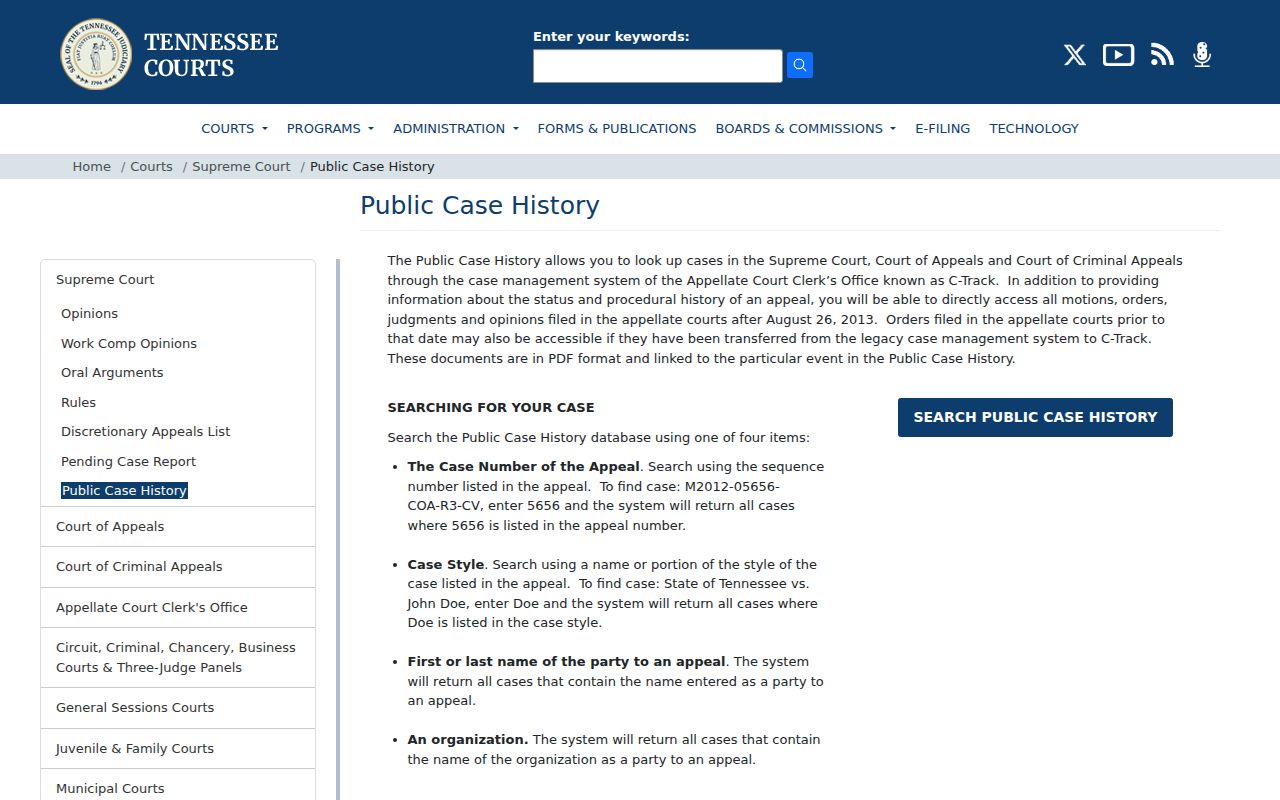
Use it only for appellate matters. A Grundy criminal case must reach an appellate court first. Search by appeal number, case style, party name, or organization. Then compare the trial-court number shown there with the Grundy County file. An appellate milestone may show briefing, submission, an opinion, or closure. It does not end the trial clerk's work. It also shows only part of the local record.
Confirm Grundy Criminal Case Status
A search that comes back empty does not mean the case is gone. Try the other court, the original filing year, an older case number, or a name stripped of punctuation. Some Grundy County filings sit in a municipal court, in Juvenile, or under a seal or protective order. Some are simply unindexed. Treat a blank result as a prompt to keep looking, not as final word.
Pick up the phone next. Have the full name, case number, court, and date ready. Ask the clerk whether the matter is set, continued, disposed, or still awaiting an order. If you need a certified copy, name the exact docket entry or signed order. Ask the current fee before sending payment. A call can settle a near-term court date. The written or certified record carries the precise wording of a plea, dismissal, judgment, or sentencing order. Ask also which form of copy the person or agency receiving it requires.
Stay organized on the call. Say whether the notice names Circuit, General Sessions, Juvenile, or a municipal court. Give the original filing year too. Add the date of the event you are asking about. List every search term you have already tried. That detail helps the clerk tell a new Grundy County criminal case from an older reference or one that moved between courts. The clerk can read what the file says, but cannot advise anyone how to plead or respond.
For appeals beyond the state system, the Sixth Circuit site posts its own docket and case information.
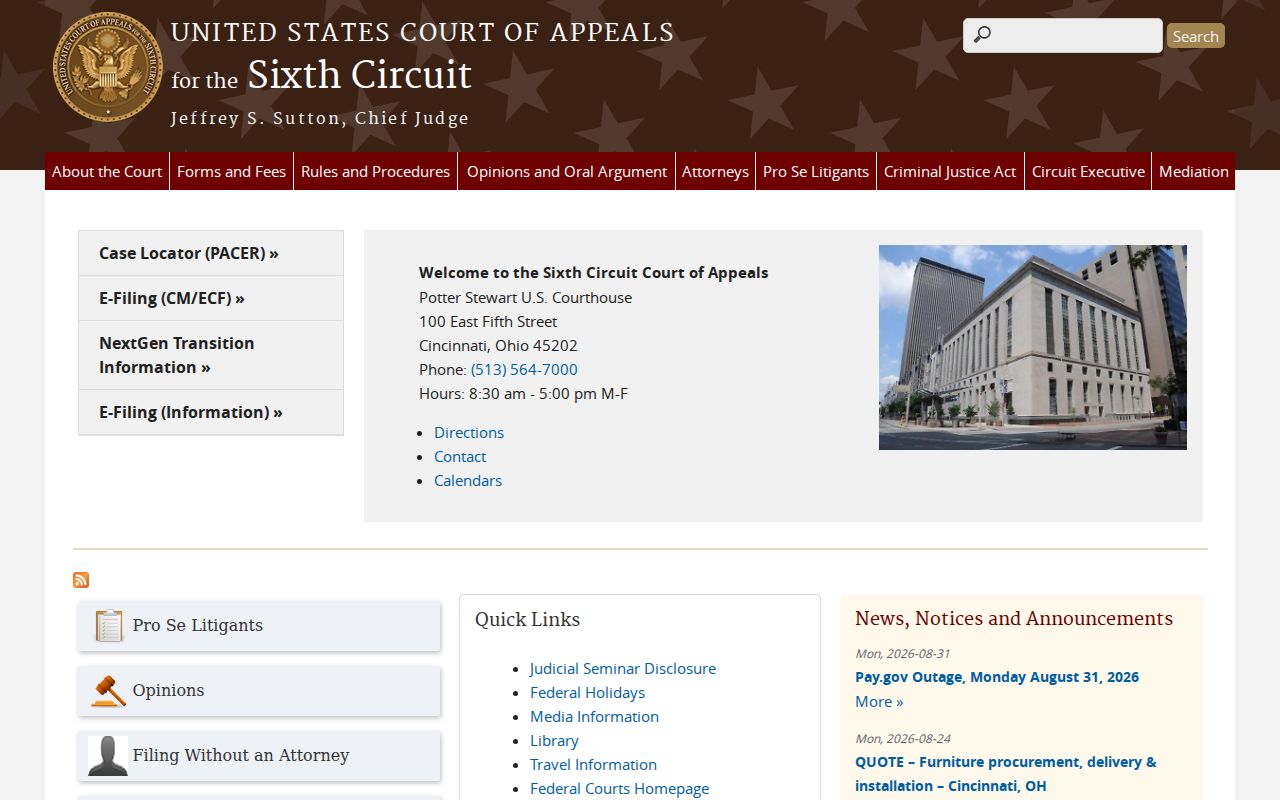
Federal, not county. That Sixth Circuit route runs entirely apart from both the Grundy County portal and Tennessee Public Case History.
Public Access and Sealed Criminal Dockets
Tennessee Supreme Court Rule 34 starts from openness. Yet the rule carves out a long list of exceptions, including statutes, sealed records, protected records, drafts, internal case-management records, and judicial deliberative materials. So do not be surprised when Juvenile, sealed, expunged, or protected content is missing from a Grundy County docket.
The form of the record matters too. An online docket entry may confirm that something happened while hiding the filed motion or signed order behind it. At the clerk's counter, ask to inspect the public file or name the exact document you need. A mailed request should list the case number, the court, the record title, and the date range. Call ahead for the current copy cost, the certification charge, accepted payment, and delivery options. No single fee covers every criminal record.
Privacy limits also shape any docket search. Tennessee filing rules require sensitive identifiers to be limited or redacted, and Rule 34 honors records that another statute or court order protects. Do not try to slip past a restriction by hunting the same name across several case types. For a Juvenile record, a party, parent, guardian, or authorized representative should contact the Juvenile Clerk directly. Ask what identity and authority documents to bring.
Key Rules:
Key rule: A charge, warrant, indictment, plea, and conviction are distinct events. Verify the current court record before stating an outcome.