
How to Search Civil Dockets
Start with the Grundy County Online Court Records search. That channel covers Circuit Court and General Sessions civil cases. Both boxes come checked at the outset. Clear Criminal, then pick the court named on the complaint, notice, or prior order. Lead with one strong detail. Try a full party name, an old reference, the filing year, or the final number of the case identifier. The name and reference box reads only its first ten words. Match-all is the default, so a long query can come back empty.
A row here is an index, not the signed paper that settles anything. Chancery and Probate take the Clerk and Master route. If nothing matches, phone the right clerk. You can also visit the counter or send a short written request. Appellate matters go through Public Case History; federal civil filings go through PACER.
- Choose Circuit Court or General Sessions and leave Civil selected.
- Enter a party name, reference, original year, or final case number.
- Complete the portal check and compare the court, year, and parties.
- Read each filing and setting in date order.
- Ask the correct clerk for the signed or certified document when needed.
Grundy Civil Search Fields
Keep Court Type and Case Type straight. That split shapes any Grundy County docket lookup. Circuit and General Sessions each carry civil work in this interface. Chancery sits outside it. The Party Name/Case Reference box is not just for people. Drop in a former reference or a full identifier such as 99GS1-2023-CV-12345. For the Case Number field, type only the last digits, like 12345.
| Search field | Best use | Local caution |
|---|---|---|
| Party Name/Case Reference | Name, full reference, or old reference | Only the first ten words are used |
| Case Year | Original filing year | Not the hearing or judgment year |
| Case Number | Final numeric segment | Do not enter the whole reference here |
| Court Type | Circuit or General Sessions | Chancery is not offered |
| Case Type | Select Civil | Both types start checked |
The column filter only kicks in after results load. It matches displayed text literally, with none of the main form's tolerance for typos or phrase logic.
What a Civil Docket Shows
Think of a Grundy County civil docket as a dated log. It records what has been filed. The log names the parties, court, file number, pleadings, motions, service, settings, orders, and final outcome. Read the entries with care, though. A complaint is only an allegation. A motion shows a request, not a ruling granting it. A setting proves an event was calendared. Yet a reset or later order can move it.
| Case number | Connects the entry to one court file and filing year. |
|---|---|
| Parties | Names the plaintiff, defendant, petitioner, or respondent shown in the public index. |
| Filings | Logs complaints, answers, notices, motions, and orders by date. |
| Setting | Shows a scheduled call, motion, hearing, or trial subject to change. |
| Judgment | Identifies a recorded resolution, dismissal, or signed order when entered. |
Three Grundy Civil Court Paths
Civil work in Grundy County spreads across more than one Civil checkbox. Circuit Court holds general civil jurisdiction. General Sessions is limited. Its reach is set by Tennessee law and local acts. Chancery centers on equity and domestic relations. It shares some civil and divorce authority with Circuit, and, per the county's own description, leaves out unliquidated-damages claims. Probate and delinquent-tax matters flow through the Clerk and Master as well.
| Court path | Examples from the research | Public starting point |
|---|---|---|
| Circuit | General civil disputes and authorized appeals | County portal or Circuit Court Clerk |
| General Sessions | Limited civil matters within its authority | County portal or Circuit Court Clerk |
| Chancery and Probate | Equity, domestic relations, probate, and tax suits | Clerk and Master |
The Grundy County officials directory maps these clerk routes. Subject-matter guessing leads people wrong, so rely on the court printed on the newest filing.
Types of Civil Cases on the Docket
Expect contract disputes, property claims, small civil matters, appeals, divorces, probate work, and other claims. Each claim sits inside a court's own authority. The court decides the remedy it may grant. One caution: the portal does not claim to be a full countywide civil index. A Civil filter hit is not proof. Chancery, Probate, Juvenile, municipal, or federal court records may hold more on the matter.
- Contract and other general civil disputes in Circuit.
- Limited civil claims filed in General Sessions.
- Property and equitable claims assigned to Chancery.
- Divorce and domestic-relations matters where that court has authority.
- Probate files and delinquent-tax suits kept by the Clerk and Master.
Family-related docket rows can leave out protected facts. Juvenile records carry their own confidentiality limits. Ask the clerk what may be viewed rather than casting wider name searches.
Grundy Civil Docket Requests
The Twelfth Judicial District's local rules lay out a strict path for civil non-jury settings. The written request should state the basics. List the case name, docket number, requested date, and attorneys. Add whether the matter is contested. If it is, give the estimated hearing time. Include a certification of readiness too. It must usually reach the clerk at least seven days ahead of the desired date.
Five days before the setting, the clerk builds the written docket, listing uncontested matters first. Notice, readiness, available time, and special settings all shape whether a request is granted or shifted. That timing matters. A filed motion can sit in the court record yet miss the next Grundy County civil calendar.
Timing point: Filing a motion and placing it on a hearing docket are separate acts. Confirm both with the clerk.
Settings and Hearings on Civil Dockets
A setting tells you what should happen on a date. It might be docket call or a motion hearing. It might be a non-jury hearing, a trial, or another preset event. Read the event label beside the latest order and notice. It is not always the final trial date. When two sources clash, the clerk's current record and the judge's order win.
Chancery runs its own published calendar and request-to-docket process. Certain District Zoom Days cover only some matters. These are uncontested divorces, motions to dismiss, summary-judgment motions, and announcements of settled cases. Default judgments and contested witness hearings stay off those remote days. For date checks across every court path, see the Grundy County court calendar.
Grundy Chancery Is Separate
Chancery and Probate files live with a different office. The Clerk and Master keeps that side of the Grundy County court records. A dead end in the Circuit or General Sessions portal can mislead you. It does not mean the case is gone. The county's public Chancery materials cover a calendar, delinquent-tax suits, court-ordered sales, filing fees, and local procedures.
When a pleading or notice names Chancery or Probate, send the request straight to that office. E-filing authority comes from Tennessee Rule of Civil Procedure 5B. The rule permits electronic filing where local rules allow it.
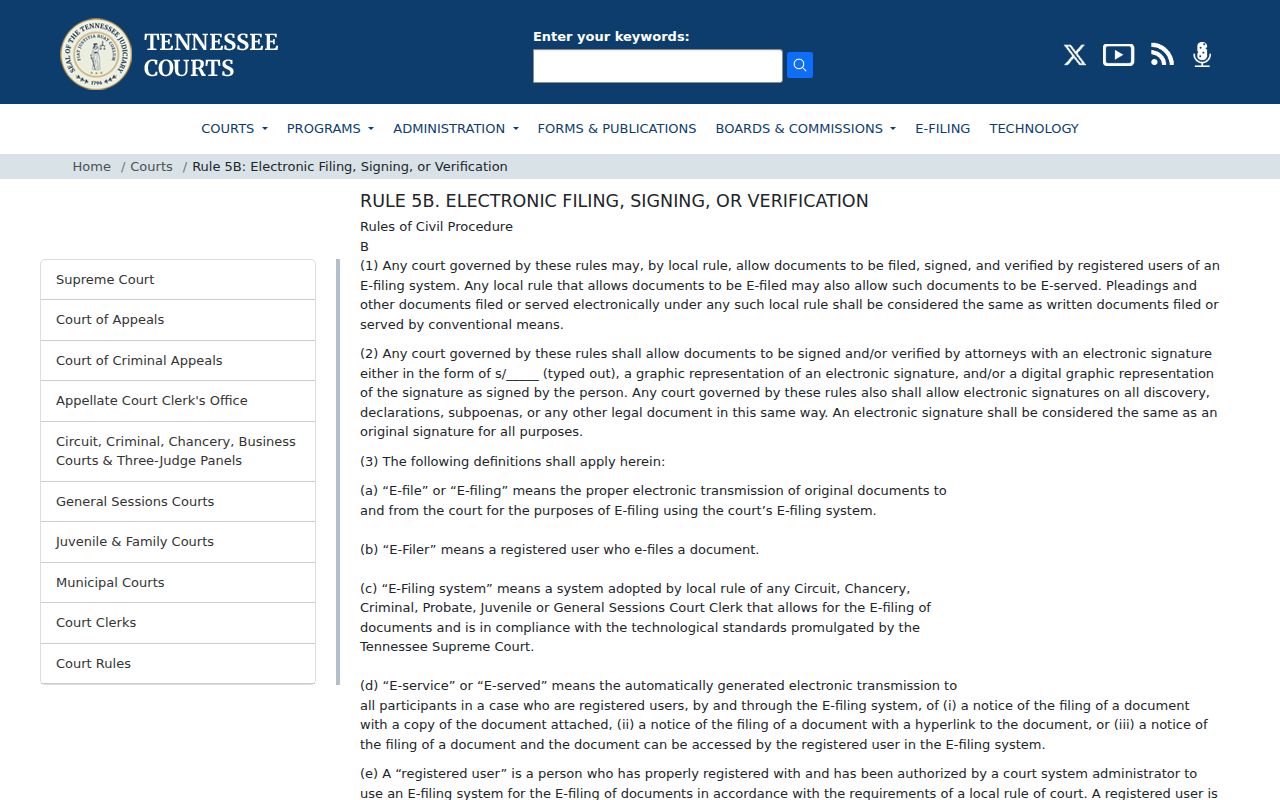
E-filing only changes how an authorized user sends a document to the court. It does not open every filing to the public, and it does not merge Chancery records with the county's case search system.
Grundy Civil Appeals and Bankruptcy
An appealed Grundy County civil case grows a second paper trail. Tennessee Public Case History tracks the appellate milestones. It is not, though, a statewide trial-court database. Federal bankruptcy sits apart from all of that. Grundy County cases link to the Winchester location of the Eastern District of Tennessee Bankruptcy Court, and the official Winchester bankruptcy page shows what that office posts.
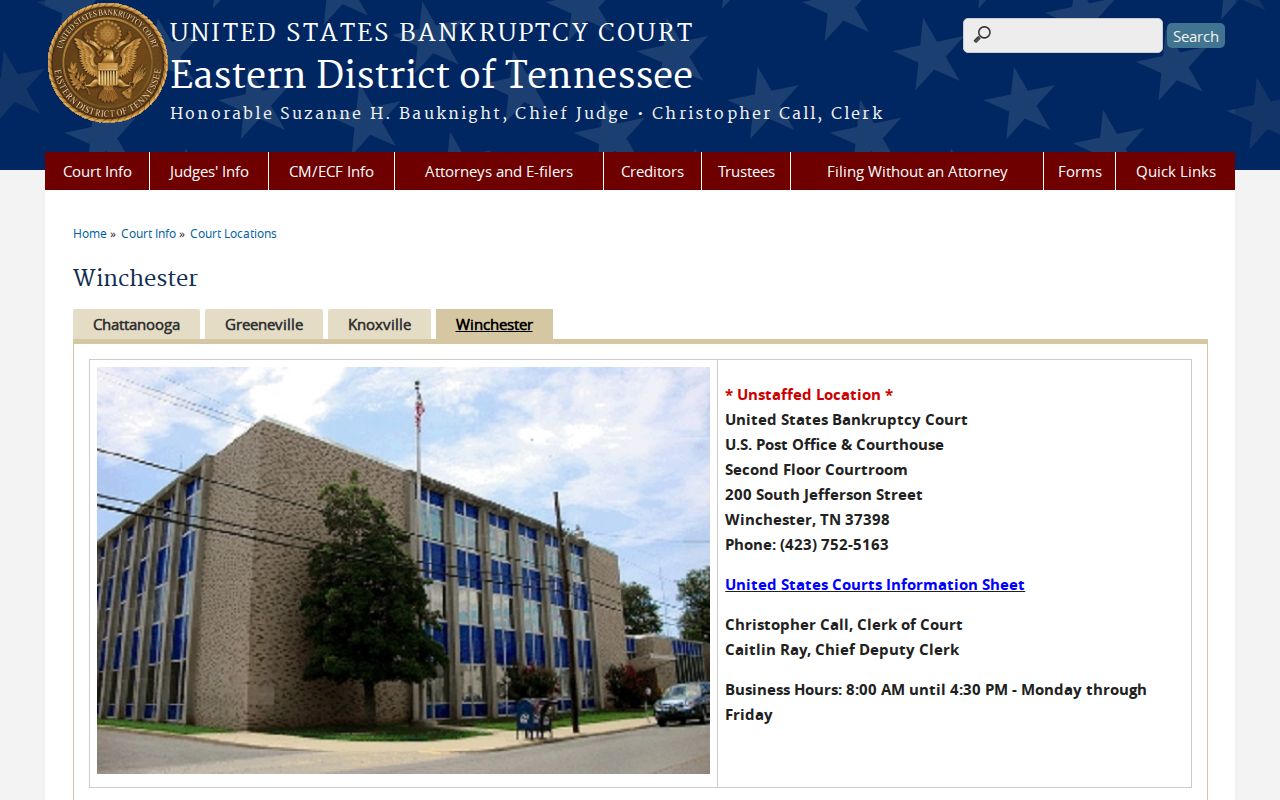
For the federal docket, search PACER. A bankruptcy case will not show up under the county portal's Civil filter, so don't look there.
Grundy Civil Docket Copy Choices
You have three ways to get the record, and they are not the same. Inspection means reading the public file the clerk holds. A plain copy just reproduces the page. A certified copy carries the clerk's seal confirming it is a true copy from the official file. A docket entry can point you to a document. When the exact terms matter, only the signed order will do. The entry is a pointer, not the ruling itself.
When you request a Grundy County civil docket copy, list the court, the case number, the party names, the document title, and the rough filing date. Circuit or General Sessions records go to the Circuit Court Clerk. Chancery or Probate goes to the Clerk and Master. Ask about current fees and payment methods before you mail anything. No single price covers every record and form.
Public Access to Civil Dockets
For a Grundy County civil docket, access starts in a few simple ways. Use the official index or visit the clerk's counter. You can also call to confirm an entry or send a written records request spelling out what you want. Be specific. Name the filing, the order, the date range, and the case number. Court rules, not ordinary agency-record laws, govern Tennessee court records. Looking at a file is one thing. Getting a plain copy or a certified copy is another. Before you pay, confirm the current charge and how the copy will reach you.
Key Rules:
Tennessee Supreme Court Rule 34 starts from public access while protecting sealed records, drafts, judicial work product, deliberative material, and records restricted by other law.
Redaction rules protect Social Security numbers, account numbers, birth data, minors, and other sensitive information. Public access does not grant a right to every detail.
Civil disputes in Grundy County can climb all the way up. The Tennessee Supreme Court's Grundy County notice shows a local case turning into a public appellate ruling.
That published opinion is an appellate record. The trial file itself stays with the trial court that handled the case. For the access rule, the Rule 34 source lays out the details.
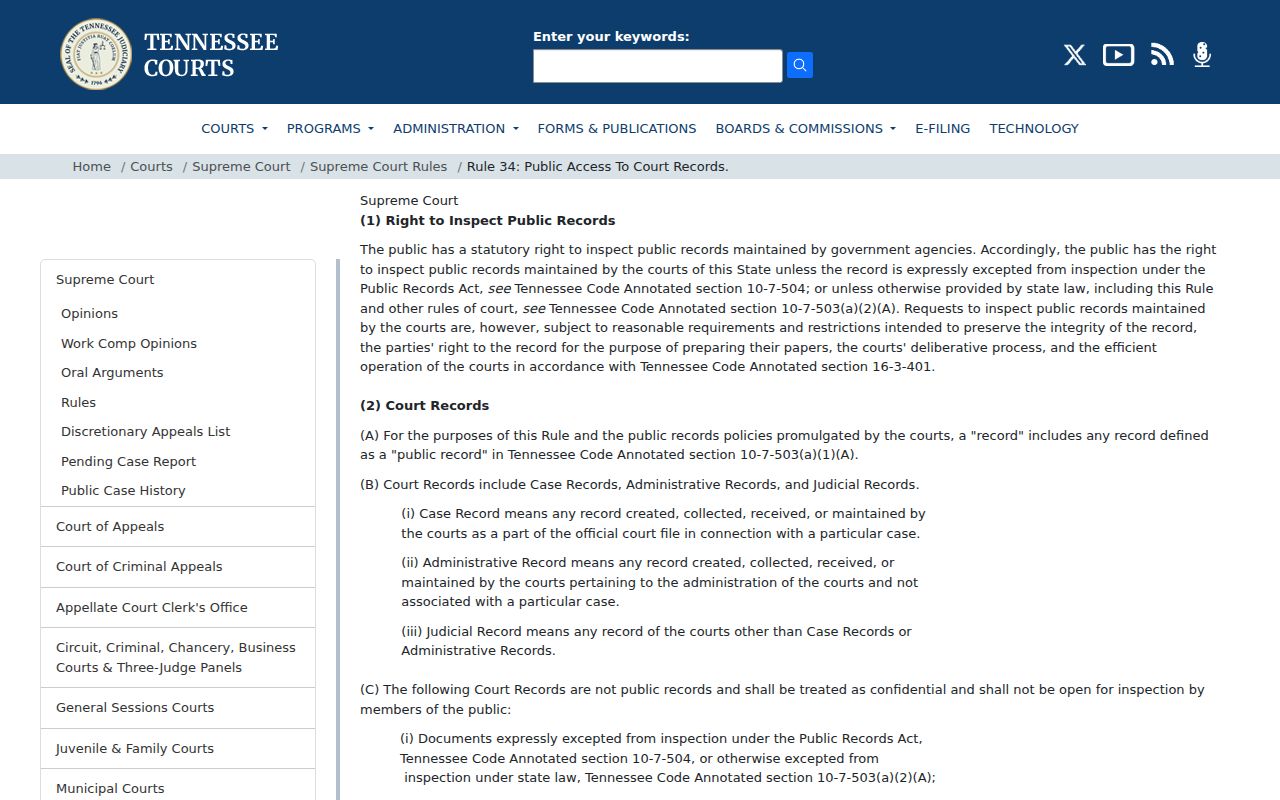
Sometimes a civil docket entry is public while a filing attached to it stays withheld or redacted. That rule is where to start.