
How to Get Court Records
Start with the Grundy online court-record search for Circuit and General Sessions case information. Pick the court, then civil or criminal. You can search by full party name, case reference, final case-number digits, or original filing year. A match identifies a record. It does not promise every filing image or historical case. And a result is not a certified copy.
When a document is not online, contact the custodian in person, by phone, or by mail. Tennessee guidance also recognizes fax, email, and an online request channel when the office offers one. State appeals run through Public Case History. Federal records take PACER or the federal clerk.
- Identify the court, case type, parties, filing date, and case number.
- Search the Grundy portal for Circuit or General Sessions records.
- Choose inspection, a plain copy, or a certified copy.
- Name the order, pleading, or docket date needed.
- Ask the proper clerk about fees, delivery, and access limits.
Grundy County Court Records Clerks
County clerk is not a safe catchall in Grundy County. Circuit Court Clerk Penny Sons keeps Circuit files. She also serves the General Sessions and Juvenile functions. Clerk and Master Megan Rollins handles Chancery and Probate. That work includes equity matters, estates, conservatorships, tax suits, court sales, and the Chancery docket. The County Clerk handles tags, titles, driver licenses, and other county services. That office does not hold the court files.
Grundy County Court Offices
68 Cumberland Street
Altamont, TN 37301
Circuit Court Clerk: 931-692-3368
Clerk and Master: 931-692-3455
Another official district source lists 1376 Main Street. The two addresses conflict. Follow the notice you received and call before traveling.
Types of Court Records
A docket is the dated index to case activity. The file behind it may hold more, subject to sealing and privacy rules. Grundy County court records can include:
- complaints, petitions, answers, and motions;
- notices, service returns, entries, and settings;
- signed orders, judgments, and decrees;
- Probate, tax-suit, and court-sale material; and
- appeal notices and higher-court milestones.
The county portal covers Circuit and General Sessions civil and criminal searches. Chancery and Probate stay with the Clerk and Master. Municipal files stay with the issuing city. Juvenile files carry special limits. Appeals run through Tennessee Public Case History, which is not the full trial file.
The official Tennessee statistics source reports court-wide numbers. It does not cover the documents in any single case.
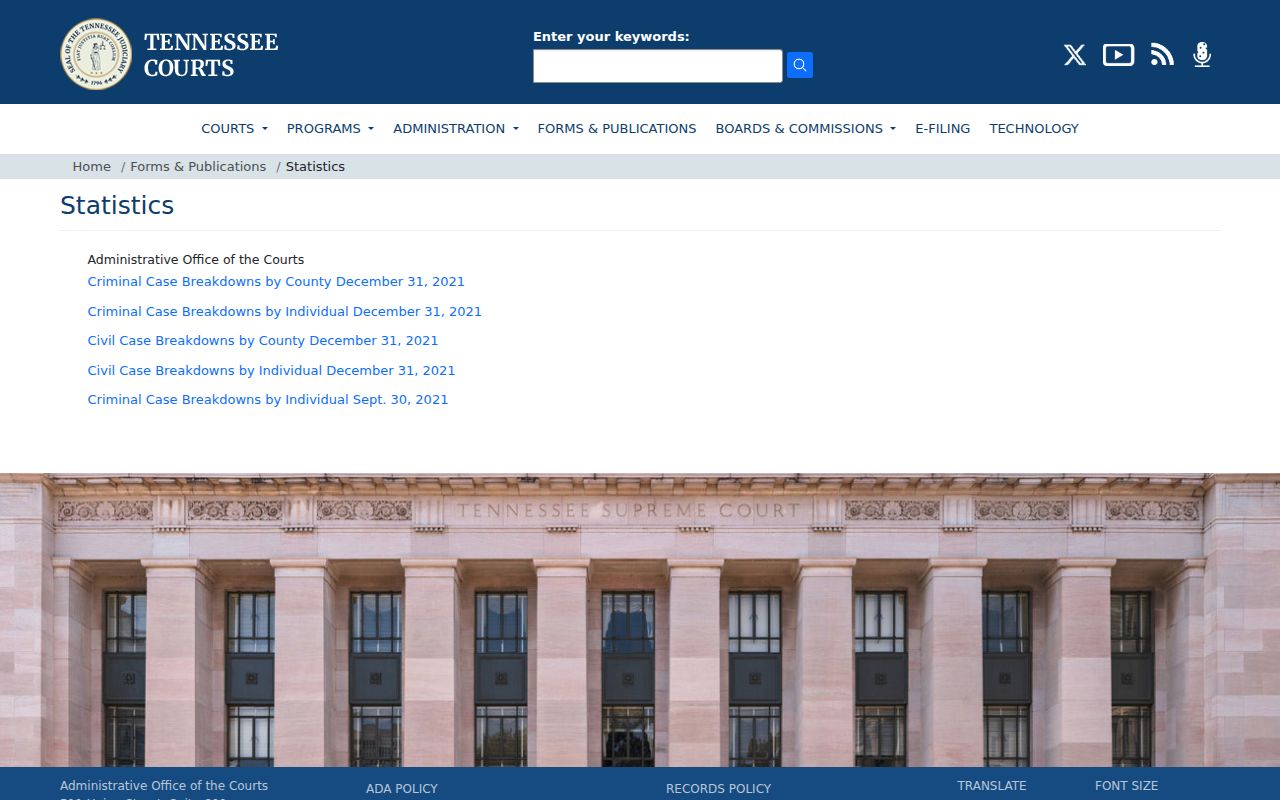
Use a clerk request for the text of an order or judgment.
Grundy County Court Records Portal
A portal hit means only that the index matched your search terms. It does not prove the online material is complete. A blank result proves little either. The matter could be Chancery, Probate, Juvenile, municipal, federal, sealed, protected, unindexed, or filed under another reference. Recheck the year and both available court filters.
Focused request: If one signed order is needed, request that order by case number and filing date instead of the whole file.
The Eastern District court information supplies the separate federal route.
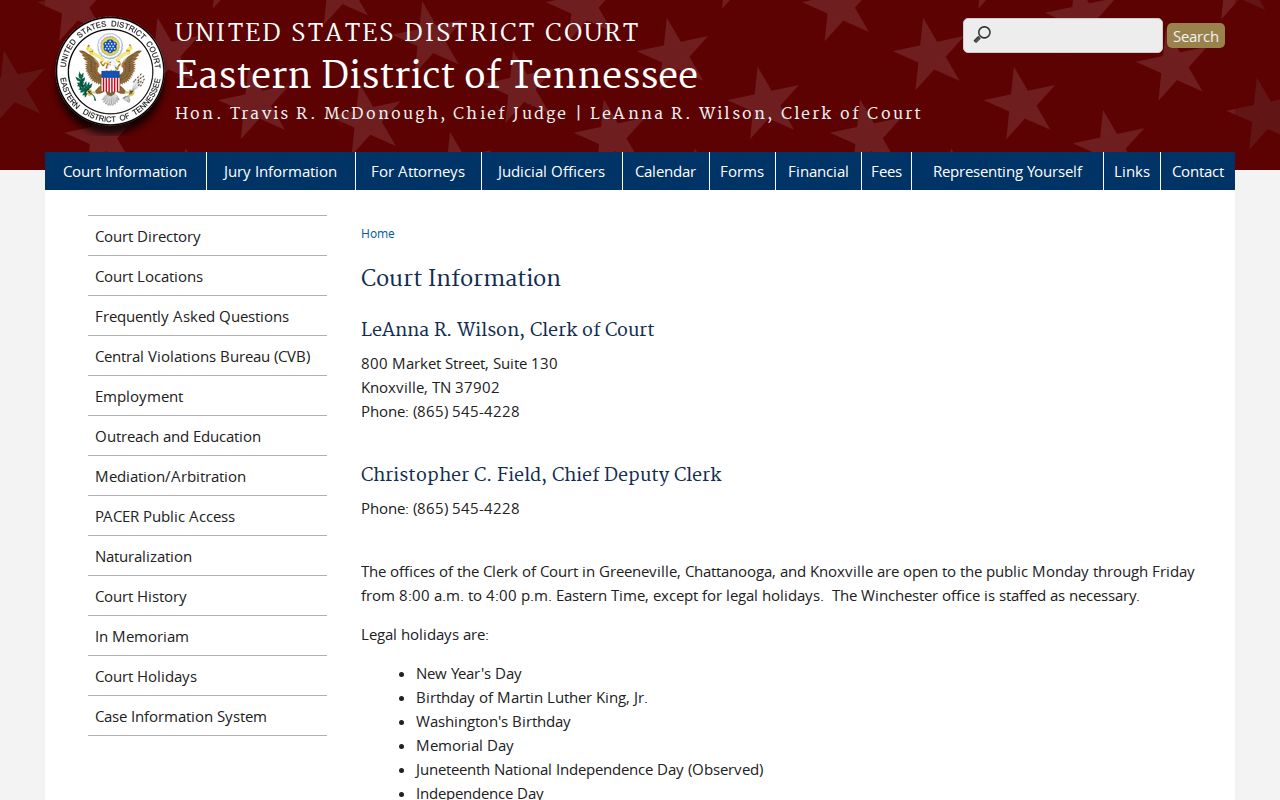
Grundy County falls in the Winchester Division. Federal district, bankruptcy, and Tennessee trial records each remain separate searches.
What a Court Record Contains
Judge each entry by its role. A filed motion or hearing setting does not establish the final outcome. A signed order carries more weight as evidence of what the court decided. Certification confirms the source of a copy.
| Case Reference | The clerk's identifier for the file. |
|---|---|
| Parties and Court | Indexed names and the court that holds the case. |
| Docket Entry | A dated event, which may not include an image. |
| Pleading | A request or response filed by a party. |
| Order or Judgment | The court's signed direction or decision. |
| Certification | The clerk's attestation or seal on a copy. |
Transcripts sit apart from entries and orders. Ask whether the hearing was recorded and which reporter or office handles a transcript.
Find Grundy County Court Records
A records request should give the court and case type, party names, case number, date range, document title, and the access form you want. Say whether inspection is enough or certification is required. The OORC model also asks for the entity, coordinator, contact details, Tennessee-citizen status, delivery choice, and submitted date.
Tennessee has no central public-record repository. Send the request to the entity holding the record. A Tennessee citizen may ask for inspection or copies and generally need not state a purpose. Inspection normally carries no copy charge, while duplication can carry authorized fees. The OORC request guidance explains that distinction.
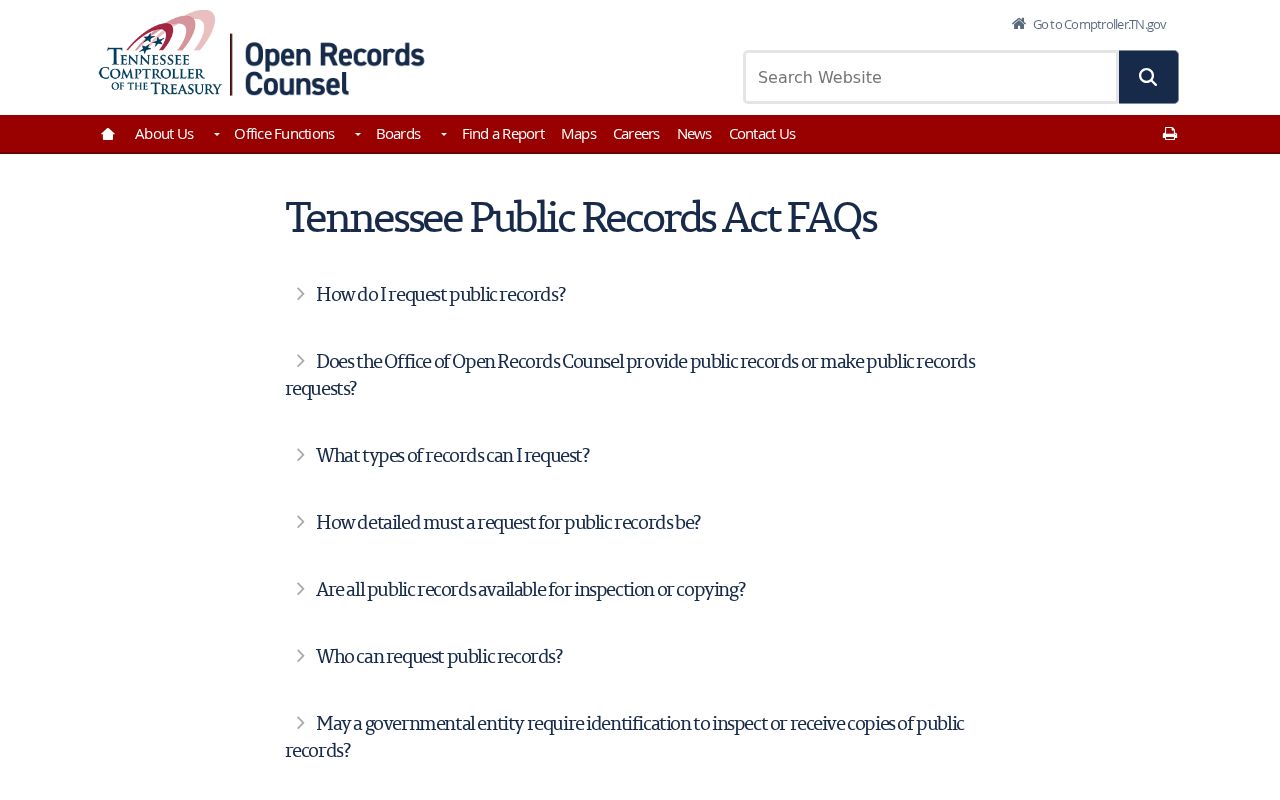
Do not put unnecessary personal identifiers in a public request.
Certified Copies and Fees
A plain copy just reproduces the document. A certified copy adds the clerk's attestation or seal. Another court or agency may insist on certification. So ask for it first, confirm the pages, and check for later orders.
| Item | Published Amount |
|---|---|
| State statutory copy reference | $0.50 per page |
| State certification and seal reference | $5.00 |
| Grundy Chancery or Probate copy | Confirm locally |
| Circuit or General Sessions copy | Confirm locally |
The statewide references come from T.C.A. §8-21-401 material. Grundy's 2026 fee PDF lists local charges, but its layout does not clearly pair every copy label with its value. The clerk's current quote controls.
The Tennessee legislative record supplies fee context.
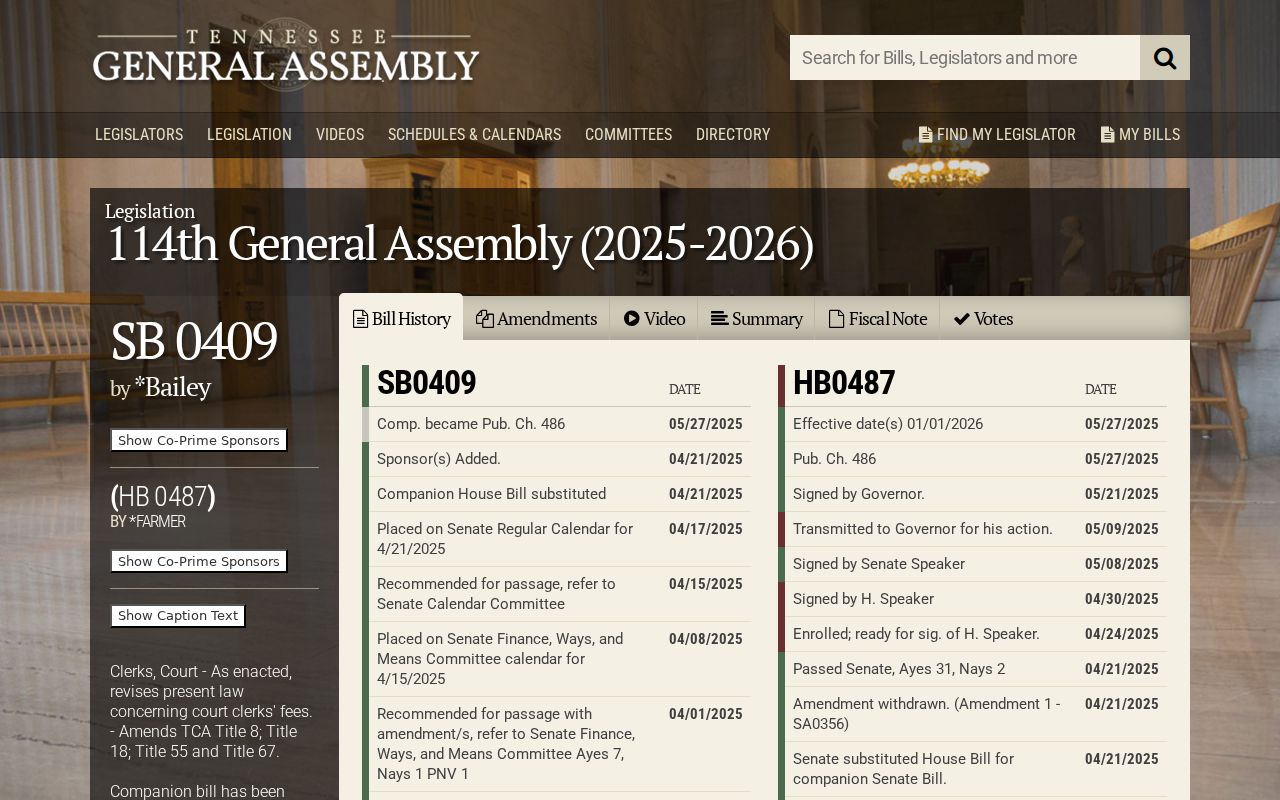
Filing fees are not copy fees. Call before mailing payment.
Grundy County Court Records Privacy
Rule 5B permits locally authorized e-filing. Under Twelfth District Rule 30, filing occurs when transmission is received and approved. The electronic file can be official, subject to the clerk's continuing paper copy. That rule does not make the public Grundy search an e-filing system.
Local Rule 30.14 limits Social Security and account numbers to four digits. It uses only a birth year. And it protects minors. Medical, license, and financial material also requires care. Just because a record is viewable does not justify needless republication.
A licensing action follows another route. The restricted-license source illustrates an agency record outside the case file.
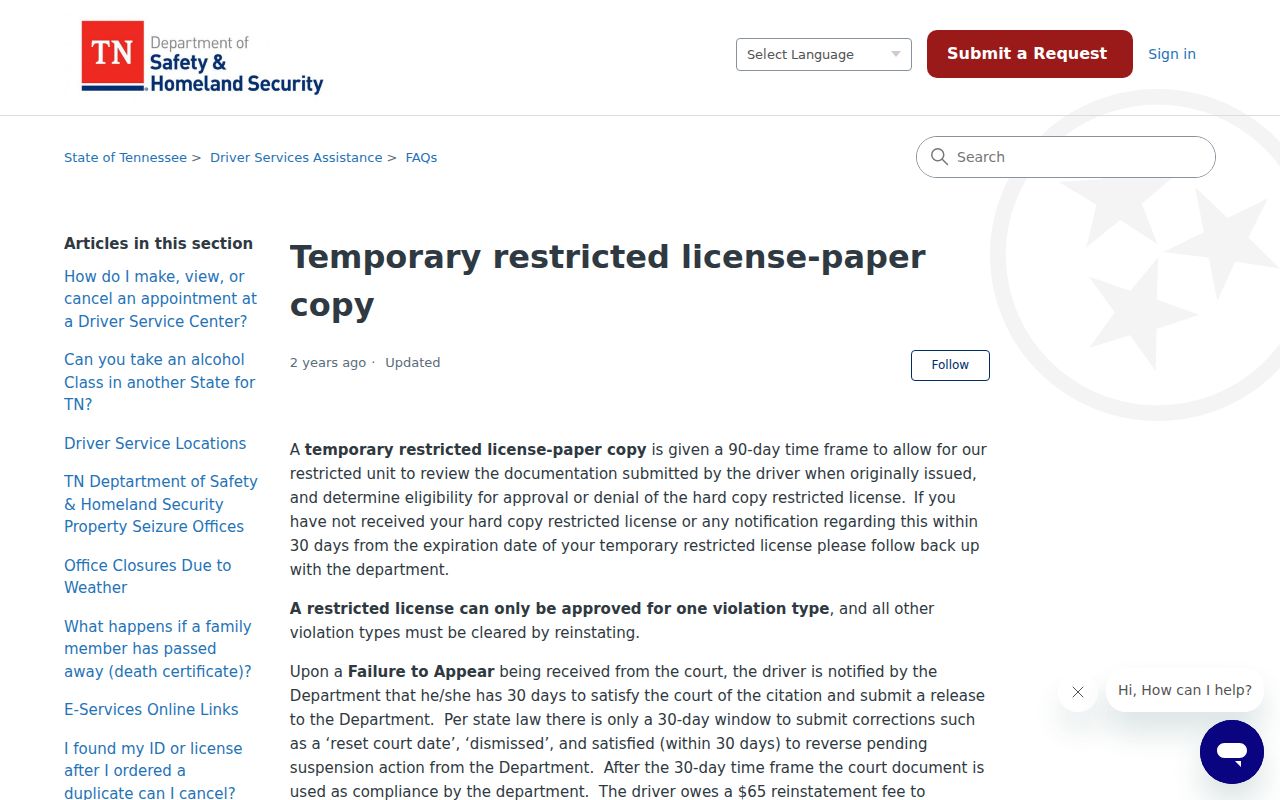
The agency document and court record have different custodians.
Public Access and Sealed Records
Rule 34 opens with a simple premise. The public may inspect court records. The exceptions cover sealed or protected records, drafts, internal case-management material, judicial deliberations, and categories made confidential by law. A clerk may deny public access or explain what authority a party must show.
Key Rules:
Tennessee Supreme Court Rule 34 sets the public-access framework and its exceptions.
T.C.A. § 10-7-504 identifies confidential government information.
Tennessee Rule 5B permits authorized e-filing without removing privacy controls.
Juvenile files show the pattern well. The Circuit Court Clerk handles them, yet the public portal lists no Juvenile option at all. Anyone authorized should ask the clerk what proof to bring, because an empty search result never means no case exists.
Resolve Grundy Court Record Conflicts
Suppose a portal entry, an agency notice, and the clerk's copy of a Grundy County court record all disagree. Line up the court, the case number, the party names, and the event date. Then ask the clerk a direct question. Did a later order, a correction, a transfer, an appeal, or a sealing action change the public index? Expect some lag. A docket entry can trail a signed order. A downloaded image can omit exhibits. Only the clerk can say which document stands as the current official record.
Keep court records apart from related agency files. A licensing notice may reflect a reported event. It still cannot replace the plea, the disposition, or the order in the issuing court's case. Aggregate statistics describe workloads. They say nothing about the legal status of one Grundy County case. Appellate records cover later milestones and opinions, while the trial clerk keeps the originating file.
When the stakes are time-sensitive, request a current copy confirmed by the clerk. State the exact issue. Did the hearing move? Does a later order exist? Does certification cover all pages, or is access restricted? That detail lets the clerk pull the right file. It also stops you from treating an old search result as the final word on your case lookup.